Citrus Science - Experiments using Oranges and Lemons
Overview
How to use citrus fruits for simple experiments?
This booklet presents a collection of ideas and activities using citrus fruits such as oranges, lemons and limes. The experiments cover a wide range of topics in physics, chemistry, mathematics and biology, suitable for different age groups and levels of learning. While some activities are more appropriate for older students, there is something here for everyone to explore and enjoy. We encourage you to adapt these experiments, extend them into new areas, or create your own citrus-based investigations.
It is believed that the Portuguese introduced the fruit to Europe from China in the sixteenth century, and then took it to the American continent, where today the largest orange plantations in the world are located. For this reason, nowadays oranges are called Portuguese in some countries. In Romanian orange it is called "portocálâ", the Bulgarians and Turks call them "portukal" and the Greeks "portukáli". Following the map, in Persian, spoken in Iran, Afghanistan and countries such as Armenia, Georgia or Iraq, but also in Arabic, the word "Portugal" means "orange"!
Teaching Materials
Citrus Science - Experiments using Oranges and Lemons
Download FileThe authors
 David Featonby is a board member of Science on Stage and an ex secondary teacher who since retirement has had a wide experience presenting to both secondary and primary students and teachers throughout Europe. He believes that science can be very relevant and accessible to all levels and ages of students. David worked for over 35 years in a large English comprehensive school teaching all abilities. On his retirement he worked for the Institute of Physics as a Network Coordinator in the North East and latterly has participated in several Science on Stage festivals.
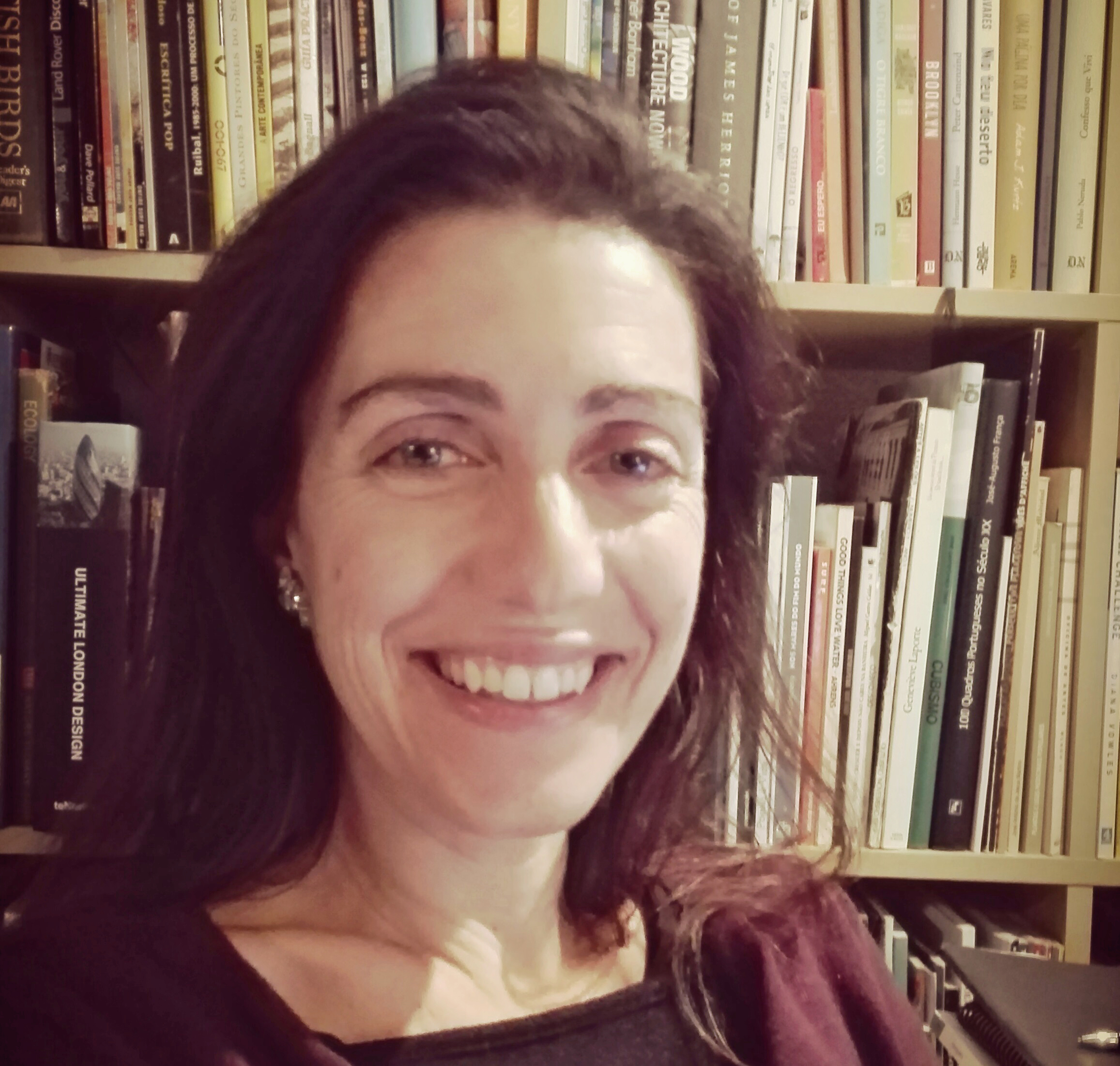
Rute Oliveira is passionate about learning and science, that is why she has been teaching physics and chemistry for over 20 years in the south of Portugal. Over the years she has performed science shows at school where she always tries to introduce some fun experiments. She has co-authored several Science on Stage publications and is Science on Stage Europe ambassador.
Share this page