Teacher Exchange Report: UK and Croatia
Here you can read the report by Rose Edmondson about her stay in Croatia, where she visited her colleague Draženka Kovačević, thaught lessons, visited the archeological museum in Vukovar and much more. To learn more about our teacher exchange programme, visit this page.
Please report about your stay:
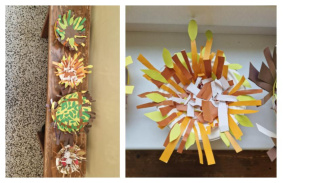
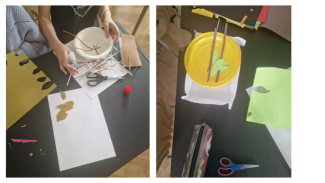
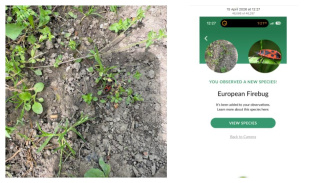
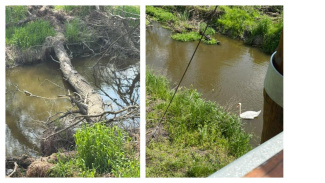
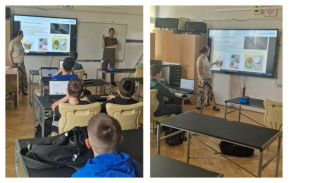
Weds 15th April, 11am arrive, met with headteacher and staff, delivered 90 minute session with class 8 looking at a bioblitz and creating other activities for our pupils as well as guess the species activities and hedgehog hazards. 1.30pm lunch and then a trip to The Culture and Archeological Museum in Vukovar with a guide in English. Thurs 16th April, 11am arrive, meet with headteacher, delivered a 45 minute session to Class 6 looking at White Tailed Eagle nests and how to create some models using paper, glue and other resources, we then met with the headteacher who gave us some gifts including a poem to explore at our UK school and then visited the area where they're protecting European pond turtles and capturing the red eared turtles and also saw some White Tailed Eagles. We then sampled some food at a local restaurant with 3 pupils and exchanged ideas and insights into the learning at both our schools.
The topics we focused on were: nature and endangered species, local history and culture, creative arts and biodiversity.
Concrete contect was created using presentations in the classroom which resulted in pupils completing a bioblitz summary table with the species found in a local park- this data can then be compared with our school in the UK. We also created model nests for White Tailed Eagles- an activity which can be repeated back in the UK.
New ideas- there were lots of new ideas explored, including creating 'Guess who' sheets for endangered species and looking at ways to connect our local museums in Croatia and the UK to explore culture and archeology and link into history. We also have some ideas around sharing of biodiversity data as well as other creative projects linked to the diets and habitats of our endangered species. I also gave the school some bird houses and insect houses to build which will link in to the project we are exploring in the UK by modelling houses with lego and then building them to place in our local areas to encourage more biodiversity.
Do you plan to stay in contact and continue the exchange?
Yes- we will meet again at the Science on Stage festival in Lithuania to showcase what we did in Croatia and what we have been doing for the past 12 months to help endangered species. We want the project to continue further in the future and would like to connect with other departments and possibly organise a theme day between the 2 schools and link this with careers and other themes. I am also trying to bring our UK pupils to Croatia as part of an exchange- this depends on funding.
Do you intend to apply for the next European Science on Stage Festival with your joint project?
Yes- we have already applied for the next Science on Stage festival in Lithuania and were successful.
Your colleague teaches in another country. Was this aspect something special for you in your exchange?
Yes- it was vital to our project, mainly to raise awareness that endangered species aren't just in Africa or what they see in the movies, but endangered species are on our doorstep- in every community across the world. Learning about pupils in other countries helping to protect their species helped inspire and empower the pupils to take action and support each other and realise they can make a difference and how vital this is.
From a teacher point of view collaboration is the key to creativity and it opened my mind to the way that we can connect with nature- particularly by using technology. It was also fascinating to realise that despite differences in the teaching days in both our countries, we actually have much more in common and can inspire and enthuse each other. I also feel like more teachers should take part in visits/exchanges now probably more than ever as learning about the culture and differences between countries is vital to help others appreciate tolerance and understand the how and why behind their traditions and ways of life.
Looking back, what are your impressions of the exchange?
For me the exchange was transformative. I was welcomed so warmly into the school- I know the staff and pupils got so much from having the workshops delivered in English and we are looking forward to creating other projects to continue this link. One of the most unexpected impressions was the link to 1000s of years worth of history at the archeological museum in Vukovar- to actually stand where the evidence was collected from people living there over 5000 years ago was incredible and made me really think about how we can better connect students in Rochdale with their history from 1000s of years ago and how we could structure this in the curriculum.
The enthusiasm and knowledge from the students about the project was heartwarming and watching them receive the gifts of birdhouses, pond kits and other materials, knowing it was from our students really helped deepen the connection and will lead to further activities to be shared over the upcoming months. Knowing that our project has not only inspired students across Europe but has actually helped to connect communities and make a long term difference to the endangered species in both countries is fantastic and I can only encourage others to consider getting involved with Science on Stage- it has made such a difference and will continue to do so.
Report: Rose Edmondson
Share this page