Applications and Realisations

Overview
Summary
This unit explores how key ideas from quantum computing can be modelled and realised using physical systems and hands‑on experiments. Through optics and simple models, students build intuition for quantum behaviour beyond purely abstract descriptions.
Authors: Chiara Colucci (IT), Mariana Filipova (BG), Marco Nicolini (IT), Elena Poncela Blanco (ES), Martin Šechný (SK), Kristóf Tóth (HU)
Go directly to:
- Playing with Light
- Light Crossroads – Optical Quantum Gates in a Mach-Zehnder interferometer
- How to implement Deutsch’s algorithm with a Mach-Zehnder interferometer
- Splitting and Reuniting Laser Beams - With Birefringent Crystals
- Two Photons, One Story – A metaphorical approach to entanglement
- Modelling Quantum Entanglement using boxes
- Modelling Quantum Entanglement using LEDs
Playing with Light
Polarisation experiments with laser light introduce surprising effects and provide an accessible way to model a two‑level system and develop quantum intuition.
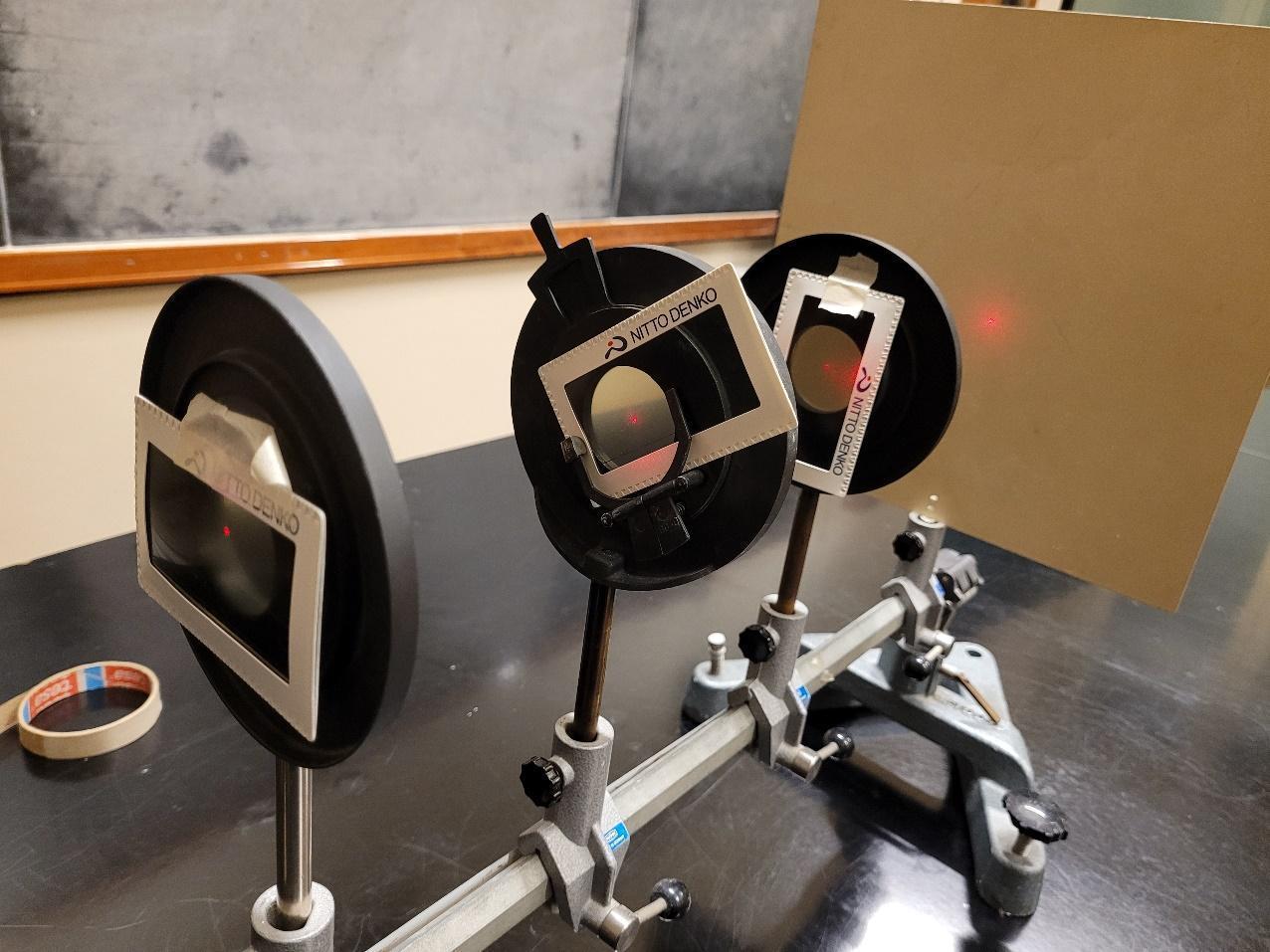
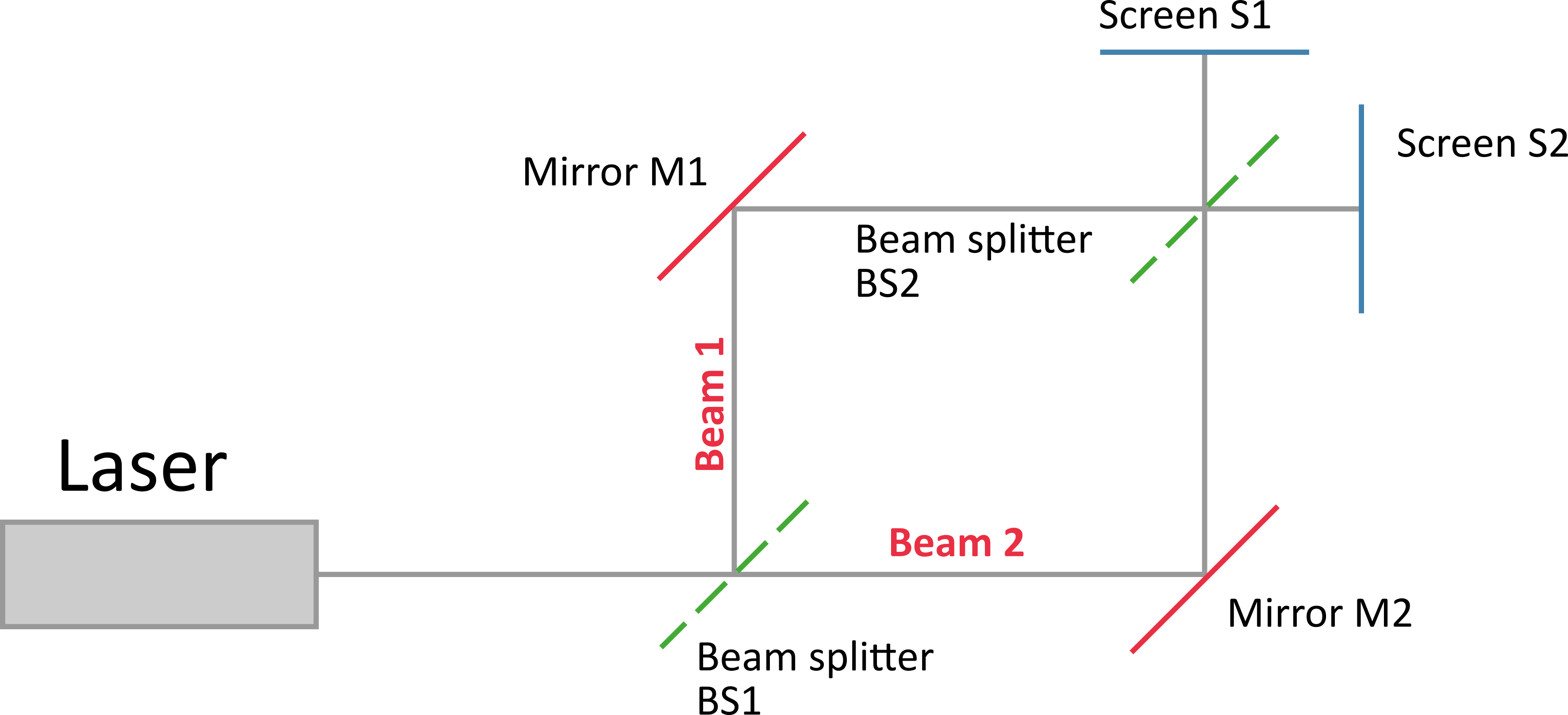
Light Crossroads – Optical Quantum Gates in a Mach–Zehnder interferometer
A Mach–Zehnder interferometer is used to show how optical components can act like quantum gates, linking wave optics to simple quantum circuits.
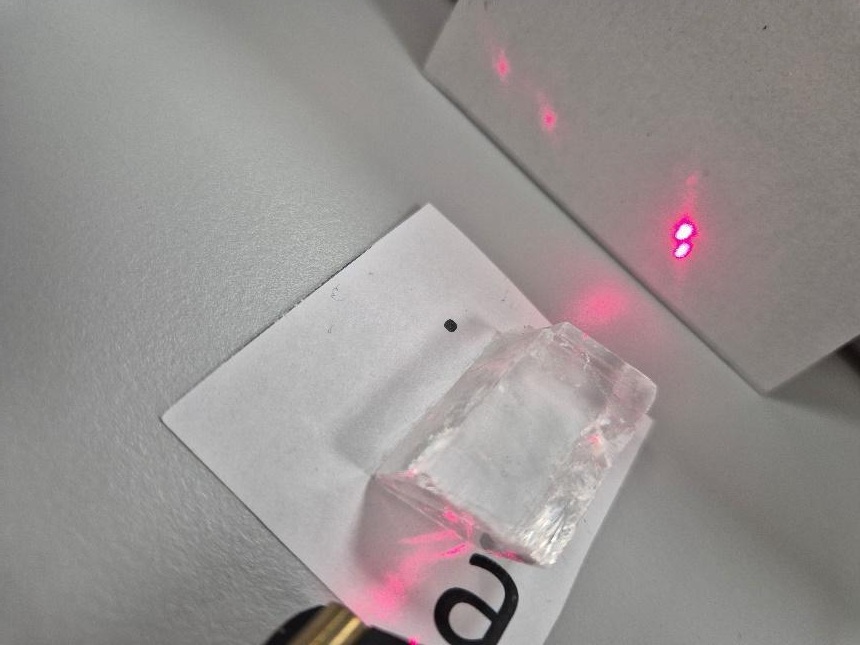
Splitting and Reuniting Laser Beams - With Birefringent Crystals
Experiments with birefringent crystals reveal phenomena that challenge classical explanations and motivate a quantum description of light.
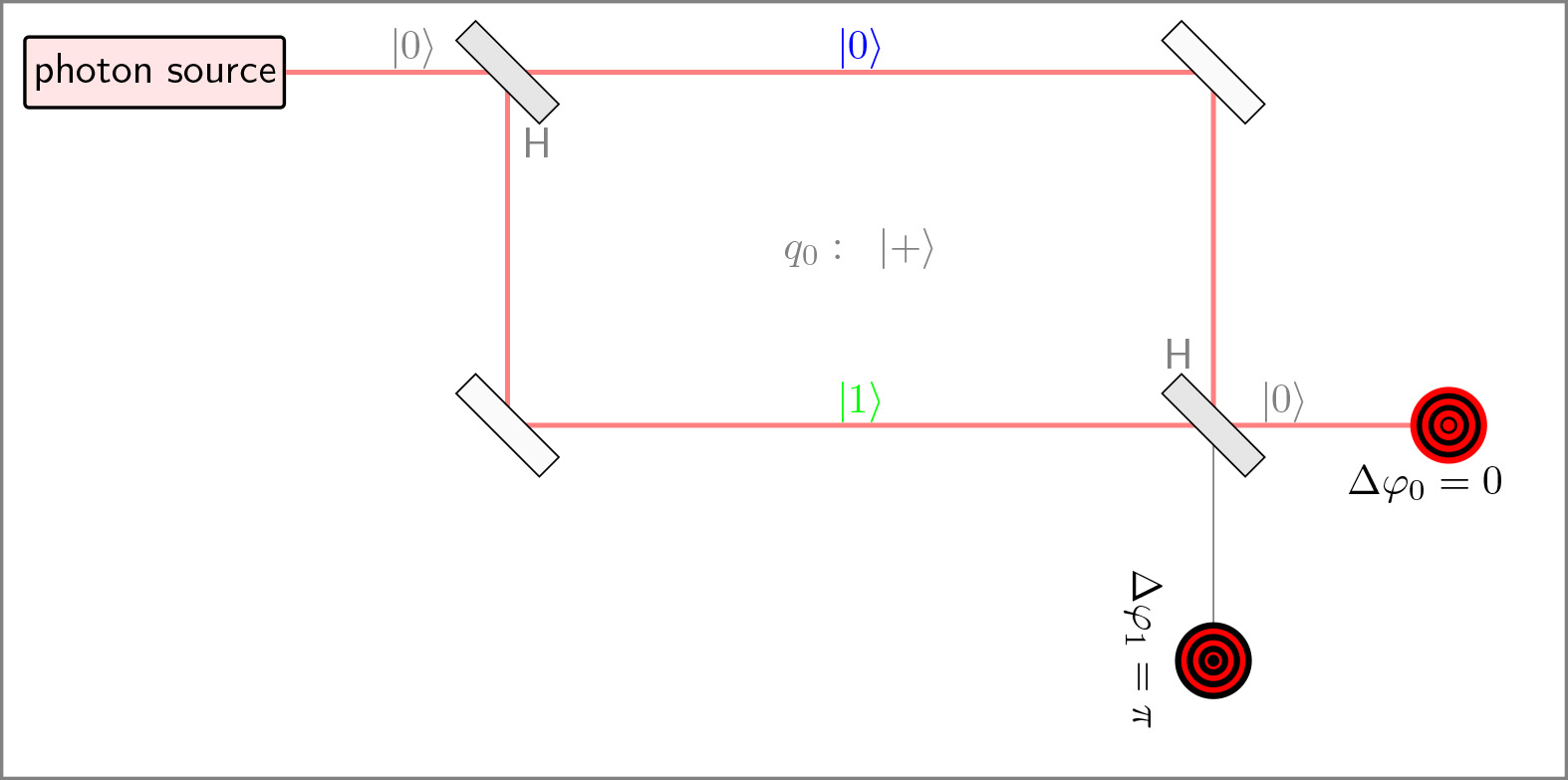
How to implement Deutsch’s algorithm with a Mach-Zehnder interferometer
This unit links Deutsch’s algorithm with its implementation in a Mach–Zehnder interferometer, showing how a simple optical setup can model a one‑qubit quantum algorithm and experimentally distinguish between constant and balanced functions.
Two Photons, One Story – A metaphorical approach to entanglement
In this unit, a fantasy story is used to introduce quantum entanglement in a creative and engaging way, offering an alternative perspective on the topic.
Modelling Quantum Entanglement using boxes
An unplugged activity uses everyday materials to introduce entanglement in an intuitive and classroom‑friendly way.

Modelling Quantum Entanglement using LEDs
A simple hands‑on model helps students understand quantum entanglement and correlated outcomes without advanced theory.
Share this page