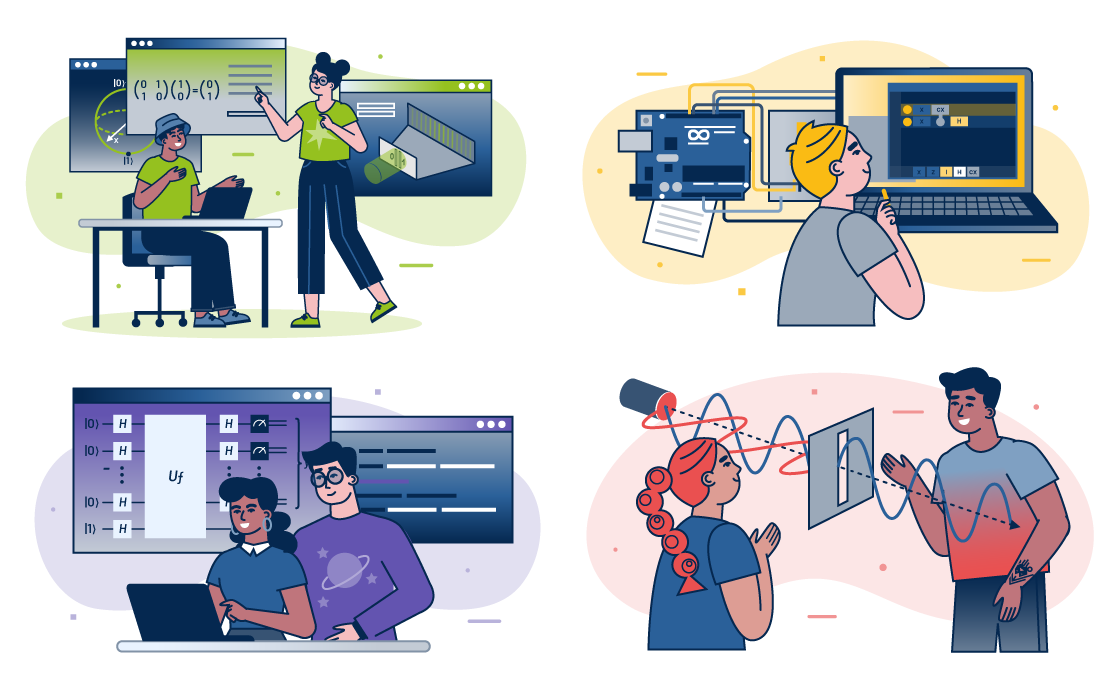
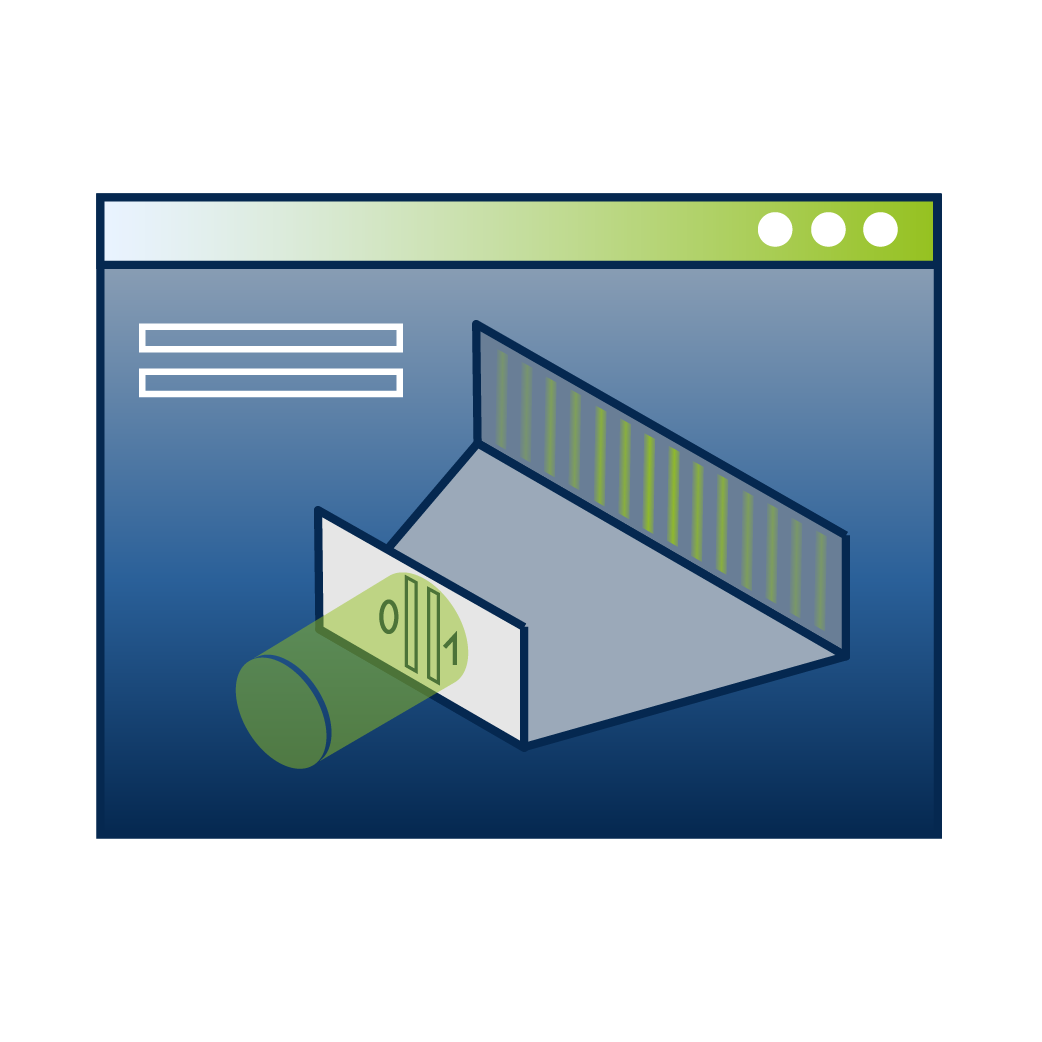

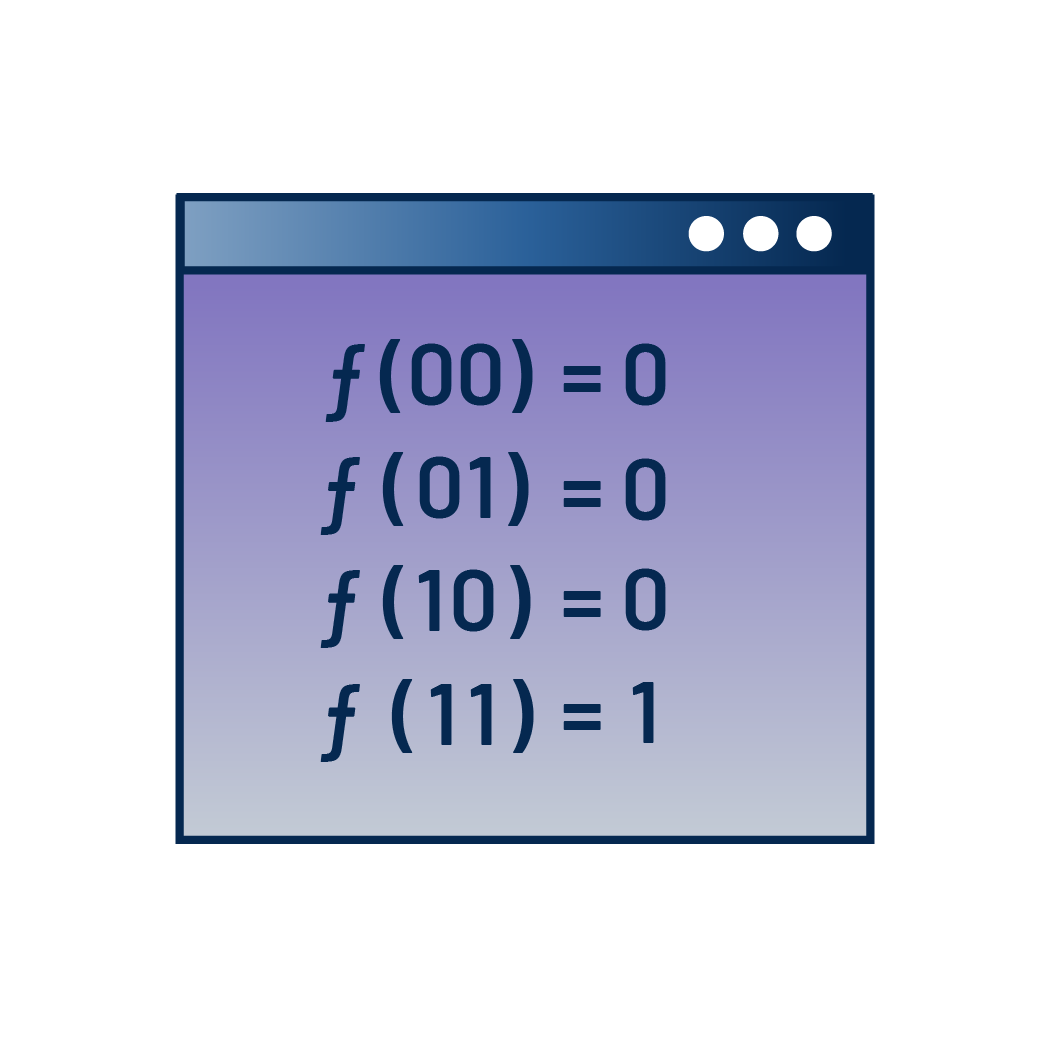
The teaching materials Quantum Computing in STEM Education are modular and interdisciplinary, allowing teachers to adapt them flexibly to different subjects, learning goals, and classroom contexts. Instead of following a fixed course structure, individual units can be selected or combined into coherent learning pathways that match students’ prior knowledge, interests, and available lesson time. Suggested pathways illustrate possible progressions through the material, which can be freely adapted or rearranged.
Why Quantum Computing — and How to Teach It
Why Quantum Computing in Secondary STEM?
Quantum technologies are becoming important across science and industry. Introducing key ideas to students aged 14+ strengthens scientific literacy and gives early insight into emerging study and career paths.
A Flexible Structure for Different Subjects
The material offers a shared pool of concepts and activities that teachers of mathematics, physics, and computer science can adapt to their curriculum. It also lends itself well to interdisciplinary approaches where such collaboration is possible.
Pathways for Classroom Use
Sample pathways show how chapters can be combined for different subjects and age groups, helping teachers create lesson plans that highlight mathematical reasoning, physical principles, or computational thinking.
Connecting to Future Opportunities
Career orientation is integrated by showing how quantum technologies link to engineering, programming, materials science, data analysis, and other STEM fields, helping students see potential future directions.
More information here Careers in Quantum Technologies
Grants for Teacher Training Activities
Would you like to organise a teacher training workshop at your school or online using our teaching materials on quantum computing? Science on Stage Germany provides financial support for the organisation of workshops, seminars, and other teacher training activites for teachers. You can find more information and the application documents here.
Webinars and Workshops
Want to learn more about the materials? Find out more about upcoming webinars and workshops as well as recordings and materials from past events here.
„With this teaching material we aim to bring quantum technologies into general education to prepare students to engage with and help shape a future increasingly influenced by them.“
Despite their growing importance, the fundamentals of quantum technologies are rarely taught in European secondary schools. Quantum computing provides a highly engaging context for introducing the key concepts of quantum mechanics, which are still underrepresented in Physics education. Quantum cryptography is largely absent from Computer Science classes, even as society debates the implications of “Q-day”—the moment when quantum computers may break current encryption methods.
Mathematics curricula rarely reference quantum concepts, although quantum computing offers valuable applications of vectors, matrices, and probability.
More broadly, quantum technologies are inherently multidisciplinary, yet European schools seldom offer opportunities to explore such complex topics across subjects over an extended period of time.
In the project “Quantum Computing in STEM Education”, twenty teachers from fifteen European countries collaborated over more than two years to develop this material. They met regularly, both in full-group workshops and smaller working meetings in cities such as Berlin, Prague, Frankfurt and Genoa, to deepen their understanding of quantum computing and to identify what is most relevant for their students in diverse educational contexts.
Working in international teams, the teachers designed, tested, and refined the materials in their own classrooms, continuously improving them through feedback and exchange with colleagues. The process was supported by coordinators and scientific experts to ensure both accuracy and a balanced combination of hands-on experiments, access to real quantum hardware, worksheets, and interactive resources.
At the same time, the project recognises that teachers themselves are the experts when it comes to classroom practice. This teacher-driven approach ensures that the materials are practical, relevant, and readily usable in schools across Europe. The teaching units can be integrated into established subjects such as Physics, Mathematics, and Computer Science, while also supporting interdisciplinary project-based learning. The material is best suited for upper secondary school, although some teaching units may already be carried out with 14-16 year old students.
In addition, we envisage an interdisciplinary project course in Quantum Computing for the last year of secondary education, that enables students to reach proficiency level A2 (in two of three areas) of the European Competence Framework for Quantum Technologies (DOI 10.5281/zenodo.6834598).
Teaching quantum computing in secondary school is about early literacy and fair access to the knowledge and opportunities needed to participate in, and not be excluded from, a future shaped by quantum technologies. This material, created by teachers for teachers, enables you to guide your students in taking this step.
The project and the authors
This material was created by a team of 20 secondary‑school teachers from 15 European countries who collaborated over two years to develop practical, classroom‑tested resources for teaching quantum computing at upper‑secondary level. The team brings together expertise from physics, mathematics, and computer science, ensuring that the material is accessible for teachers with different backgrounds and suitable for diverse curricula.
Working together in international meetings and development phases, the authors refined and tested the units to make them adaptable and easy to implement in schools across Europe. The texts were written by the teachers themselves. Just as Europe is heterogeneous, the individual teaching units also differ in their writing style and structure depending on the group of authors.
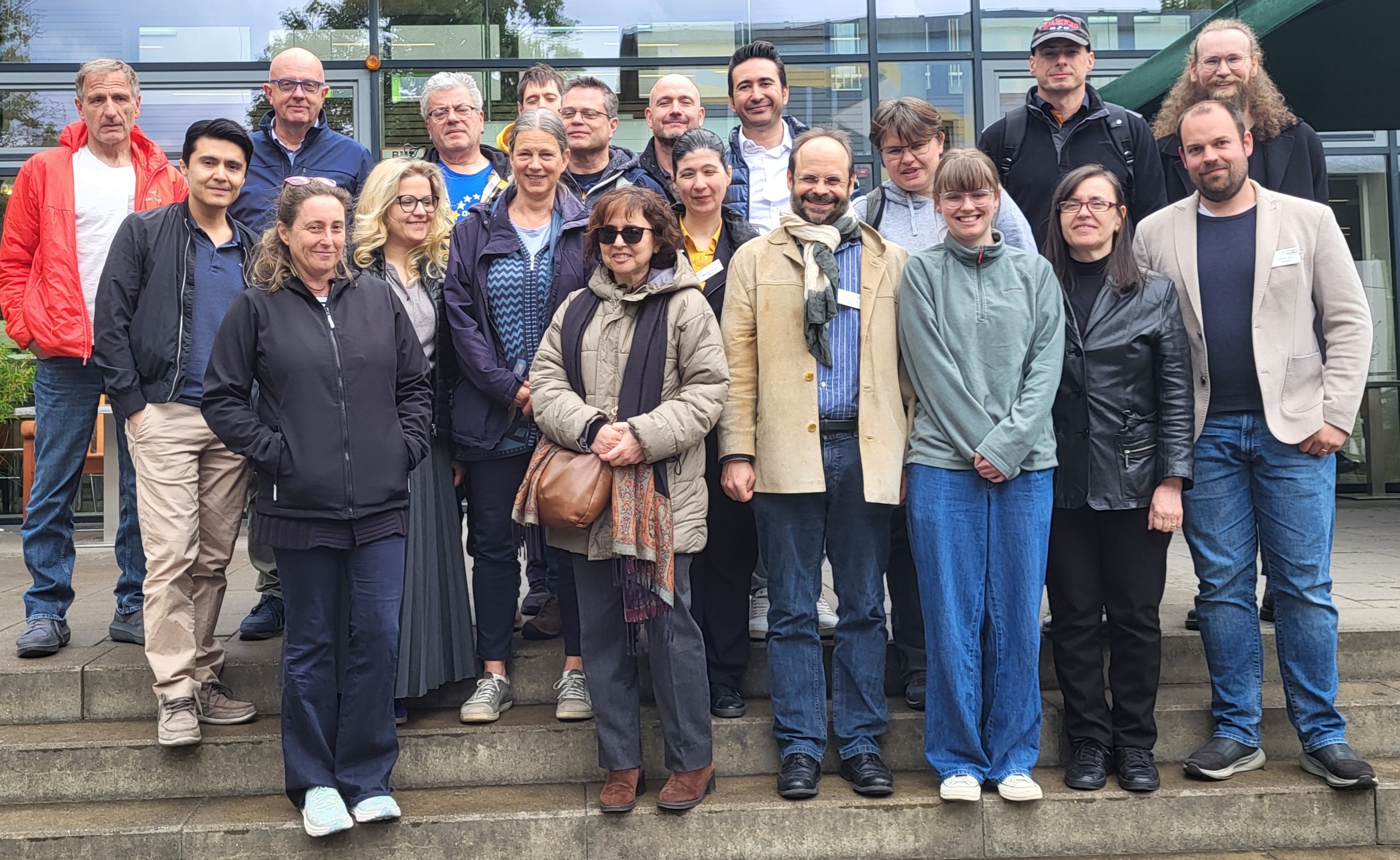
Learn more about the authors and the people behind the project (including imprint) and the background and timeline of the project.
Supported by

Thank you to the Wilhelm und Else Heraeus-Stiftung for supporting the project.
Discover our resources and get started.
If you have any questions, we’re always here to help.
Would you like to share the content or use it in training courses? Contact us at coding@science-on-stage.eu – we look forward to working with you.