Experiencing Swedish culture and teaching practices
Report: Maren Kelly
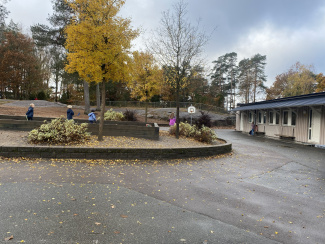
The travel fund made it possible for me to visit Sara and Emma at their school in Gothenburg at the beginning of November. They had organised a full and engaging programme that gave me valuable insights into the Swedish school system, their school community, the children, and our joint project.
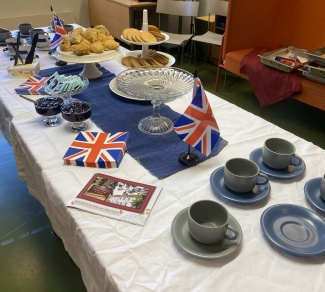
On Monday, we baked scones together as part of our sustainability project, exchanging traditional snack recipes that are both healthy and nutritious. The children thoroughly enjoyed the baking session and learned more about the history and culture of English tea time. We decorated the classroom with British-themed decorations I had brought along to create an authentic English atmosphere. The children loved eating the scones and drinking tea — and had great fun debating whether scones should be eaten with cream on jam or jam on cream!
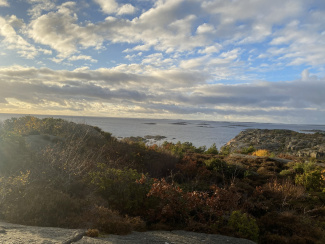
On Tuesday, the children proudly showed me their previous Science on Stage project. They had collaborated with a nearby nature reserve to improve environmental sustainability by installing rubbish bins and helping to keep the area clean. We enjoyed a lovely walk around the lake and forest, followed by a traditional fika in the woods.
In the evening, I was invited to join several teachers at the Science Museum in Gothenburg to take part in a conference focused on increasing science capital in schools. Teachers from different schools showcased their experiments and shared how they integrate them into lessons. This provided a great opportunity to exchange ideas and discuss how to boost children’s confidence and curiosity in science. I came across two excellent ideas that I have already incorporated into my teaching.
The first was a simple yet powerful rocket-making activity that encourages scientific thinking, experimentation, and investigation as pupils explore which rocket design travels the furthest. The second idea fits perfectly into my Year 6 project on energy sources. It involves designing ways to make a ball move from different heights using various forms of energy transfer — an engaging and hands-on way for pupils to explore the topic.
Before I left, the children and teachers gave me letters to take back to my pupils in response to the ones we had sent. Their letters included redesigned, healthier fika recipes of traditional Swedish snacks. My pupils will be delighted to receive them, and we plan to bake and taste these recipes, comparing them with our traditional English snacks.
We will continue developing our “Sustainable Snack Exchange” project and share results as we explore ways to reduce food waste. Together, we will also investigate the chemical and physical changes involved in baking and cooking our recipes, as well as grow plants related to the ingredients we use.
It was incredibly valuable to visit Sweden and experience the education system first-hand. Swedish schools differ significantly from those in England. I was particularly inspired by the emphasis on outdoor learning, the relaxed and child-centred teaching style, and the joyful, balanced approach to school life. Although the school days are shorter, they are filled with meaningful learning and happiness.
The exchange was immensely beneficial for both the teachers and the pupils involved, as well as for the wider school communities. The face-to-face meeting deepened our professional connection and strengthened our collaborative project. Experiencing Swedish culture and teaching practices firsthand provided me with a richer, more rounded understanding and will continue to shape my teaching and project work moving forward.
Share this page